
Energy
Salt, spiders and solar: our annual coastal wash-down
Living at Whangārei Heads means living with the sea. We are only one kilometre from the coast as the crow flies. The view side of that deal is excellent. The maintenance side is relentless.
Salt spray travels. It settles on everything: cladding, roofs, glass, and now solar panels.
Once a year, a crew from WashRite comes out and washes the whole property down. This is not a sponsored post. They are just a great Northland company that does this work well. After a few years of using them, the annual wash has become a fixed part of our property calendar.
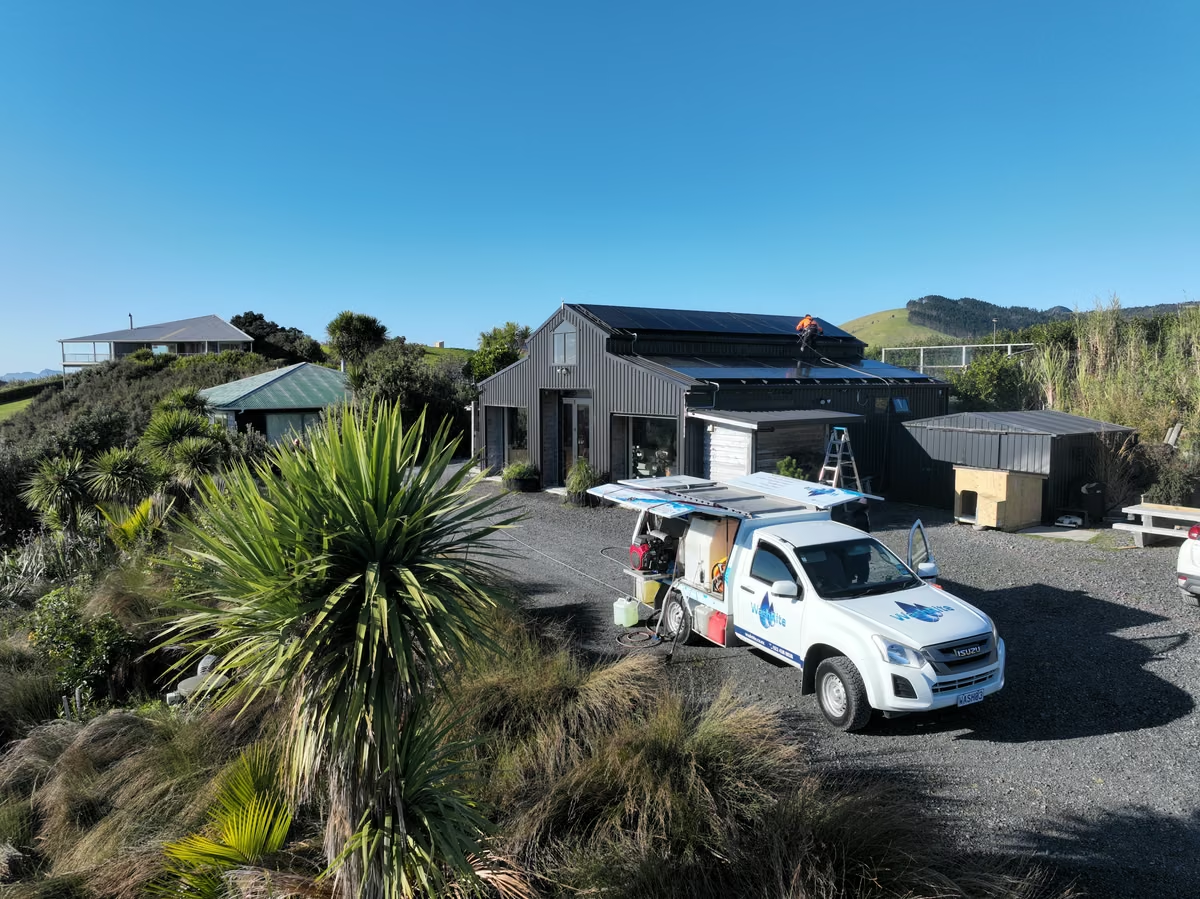
They got one of those epic Northland mid-winter days this year. Not a cloud in the sky, the hills glowing green, and the crew up on the roof in full sunshine.
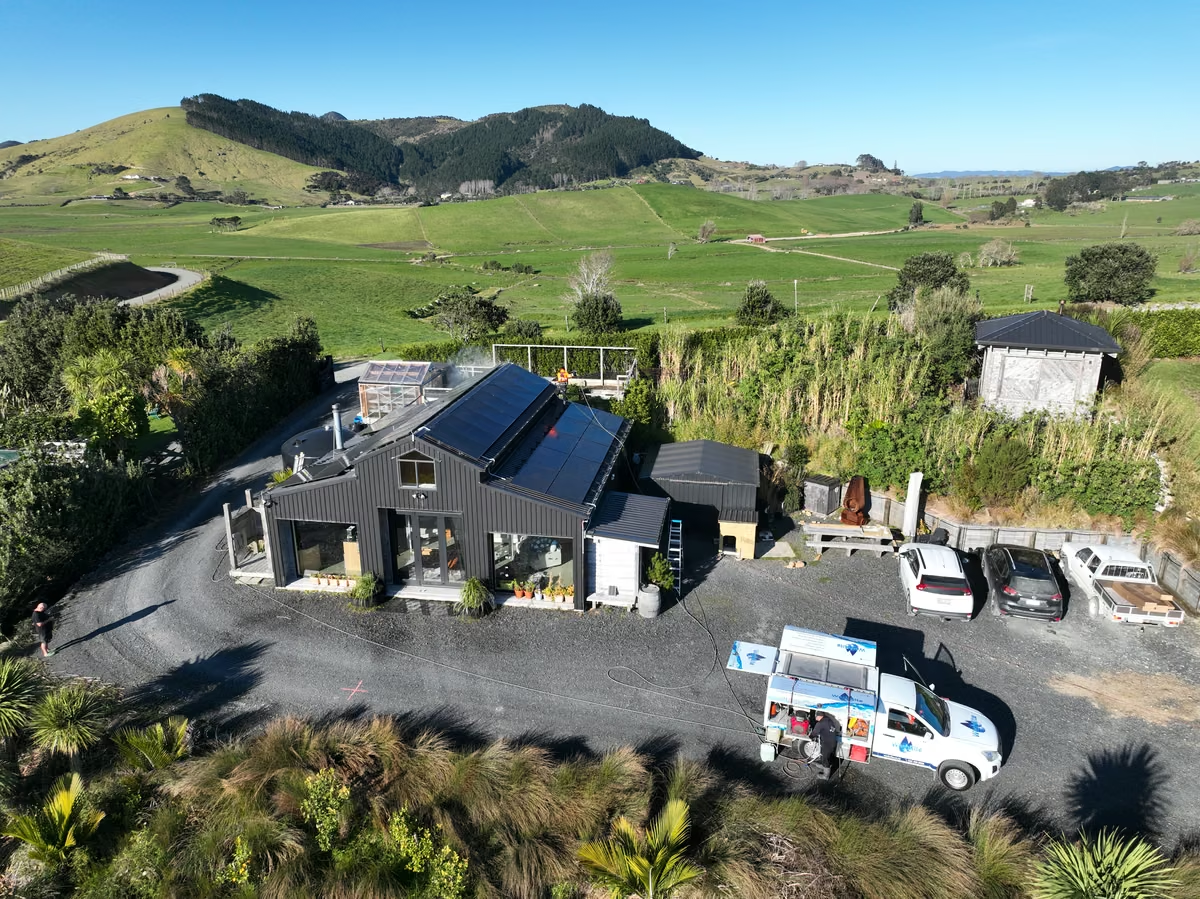
The full wash-down in progress, with the WashRite crew working across the house and solar array.
Here is what gets done, and why.
The barn wash is a warranty condition, not a nice-to-have
Our Totalspan barn carries a 25-year warranty, and regular washing is one of its maintenance conditions.
That makes sense once you think about it. Salt spray is corrosive. Left on steel cladding, it slowly attacks the protective coating, especially in sheltered spots that rain never reaches: under eaves, behind gutters, and along the bottom edges of the cladding.
A fresh-water wash removes the salt film before it can do lasting damage. Totalspan's current care guide says the building requires regular washing and calls for sheltered areas to be washed at least every three months. The annual professional wash is the thorough part of that maintenance, not a substitute for reading the full schedule.
If you own a steel building near the coast, read your warranty and care documents. There is a good chance washing frequency is specified. Keeping up with it is cheap insurance against a future warranty dispute.
The spider problem
Our barn is black. It looks great. It also seems to be a five-star resort for spiders.
Something about the dark cladding attracts them in numbers, and left alone they coat the place in webs within months. Part of the WashRite visit is a spider treatment across the building. It keeps the webs down for the rest of the year and makes the wash itself last visibly longer.
The roofs
While they are here, the crew also washes all our COLORSTEEL roofs. The logic is the same as the barn: salt accumulation shortens the life of coated steel, and roof washing is one of those maintenance jobs that matters more in a coastal zone.
It also keeps our rainwater collection cleaner, which matters when the roof is your water supply.
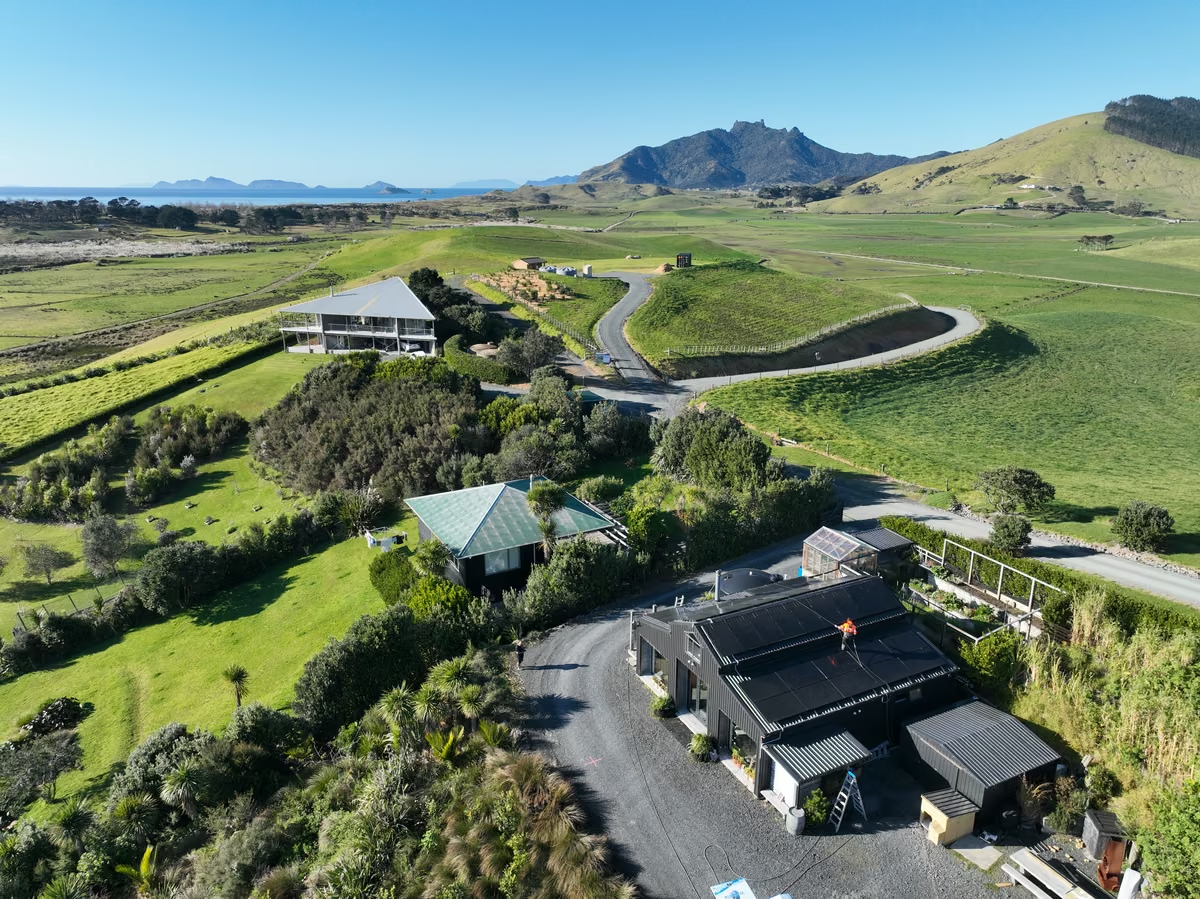
Our home and solar array during the wash-down, looking across the property towards Bream Head.
New this year: the solar panels
This year we added the solar array to the job. WashRite offered a dedicated panel clean using equipment suited to the glass surface, without harsh chemicals or abrasives.
Before saying yes, I went looking at the research. How much does a dirty panel actually cost you?
Potentially more than I expected, but the answer depends heavily on location and exposure.
A 2026 systematic review of photovoltaic soiling reported efficiency losses of about 6 to 7 percent within months and more than 20 to 30 percent over extended exposure. Those figures cover varied environments and should not be treated as a forecast for our roof. The same review says panel angle, humidity, wind, pollution, and local conditions all influence the result.
Coastal properties add salt to that mix. A 2026 field study in a hot, coastal industrial environment found that soiling, humidity, temperature, and atmospheric pollutants materially affected output, supporting cleaning decisions based on the actual site rather than a universal timetable.
Bird droppings are worse than they look. They cast hard shade on individual cells and often remain after rain. An IEA Photovoltaic Power Systems Programme field-failure assessment documents that, in severe cases, the shaded cell can act as a load on the rest of the string and create a hot spot.
There is a fairness point too. Rain removes a useful share of loose dust, and a well-tilted array in a wet inland climate may gain little from aggressive cleaning. Our site is different. We are one kilometre from the Pacific, exposed to windborne salt, and the panels are a core part of how the property runs.
Every percentage point of lost generation is power we buy from the grid instead. A professional clean once a year, bundled into a visit that is already happening, is an easy call for us. The data from our own system will tell us whether it needs to become more frequent.
The takeaway
Coastal living comes with a maintenance tax. You can pay it in small regular amounts, or you can pay it later in corroded cladding, warranty disputes, and underperforming solar.
Our approach is one coordinated professional visit each year for the barn, roofs, spider treatment, and now the solar panels, alongside the maintenance intervals in the manufacturers' documents. It protects the Totalspan warranty, keeps the roofs and water supply in good shape, and gives the solar array its best chance of delivering what we bought it for.
If you are on the coast and have never read the maintenance clauses in your building or panel warranties, this weekend would be a good time.
Mark Smith is Principal AI Strategist at Cloverbase. To discuss this article or work with me, contact me at Cloverbase.